
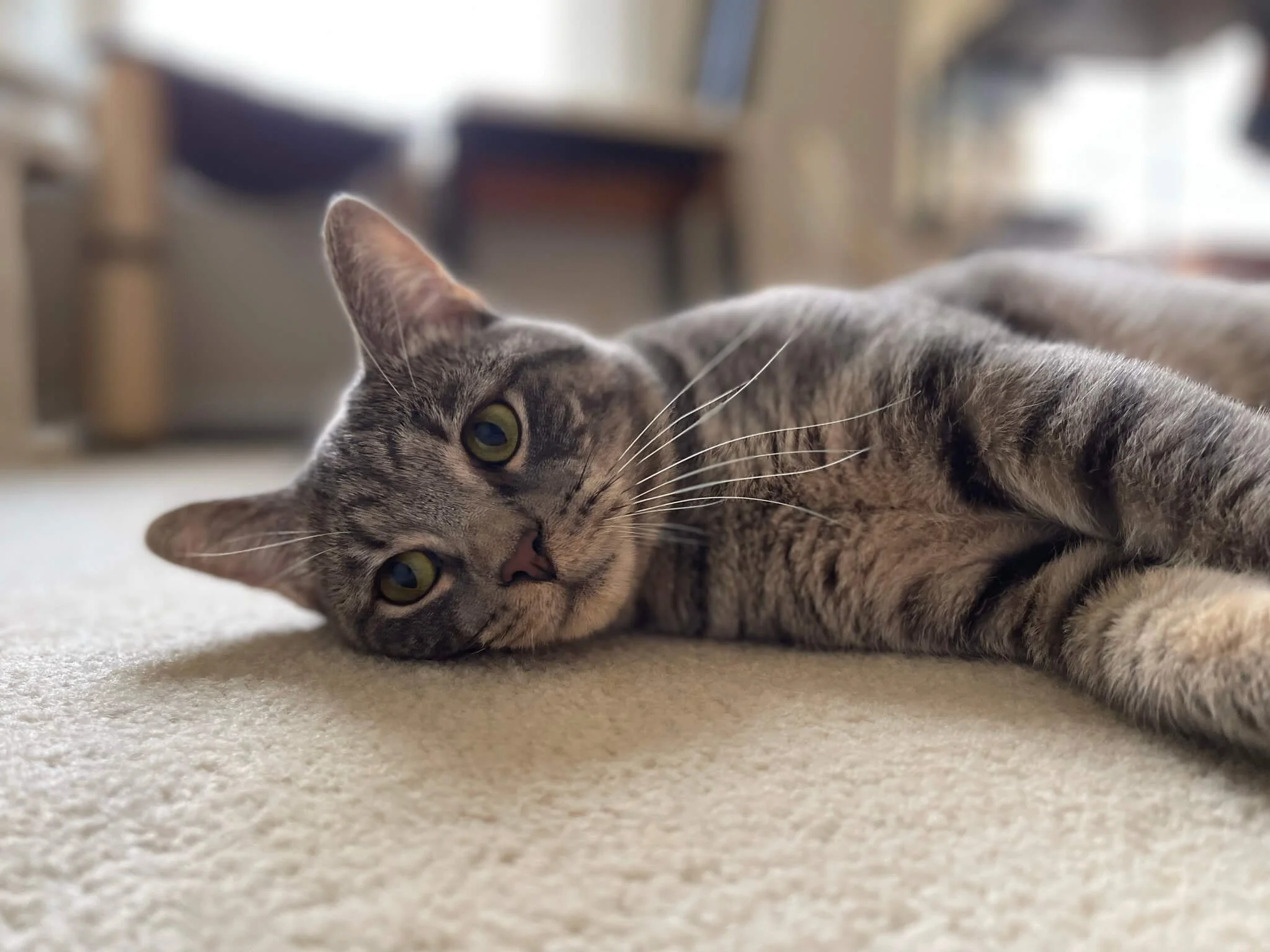
When you open your home you save a life.
FosteR a Cat
Foster homes are the heart of FMCA. As a foster-based rescue with no physical shelter, our entire program depends on compassionate community members who are willing to open their homes to animals in need. The more foster families we have, the more lives we can save.

What to Expect as a Foster
Honest Answers for Future Foster Families
Fostering looks a little different for everyone, but these are the questions we hear most often from people who are considering it.
-
When you foster for FMCA, you provide a temporary home for a cat or kitten while they receive medical care, recover from illness or injury, or simply wait for the right adoptive family to find them. Foster commitments can range from just a few days to several months depending on the animal's needs.
Fostering is incredibly rewarding, but it is also a real responsibility. You can expect feeding schedules, occasional vet visits, and the sometimes messy realities of caring for an animal in transition. You can also expect plenty of purrs, cuddles, and the deep satisfaction of knowing you made a difference.
-
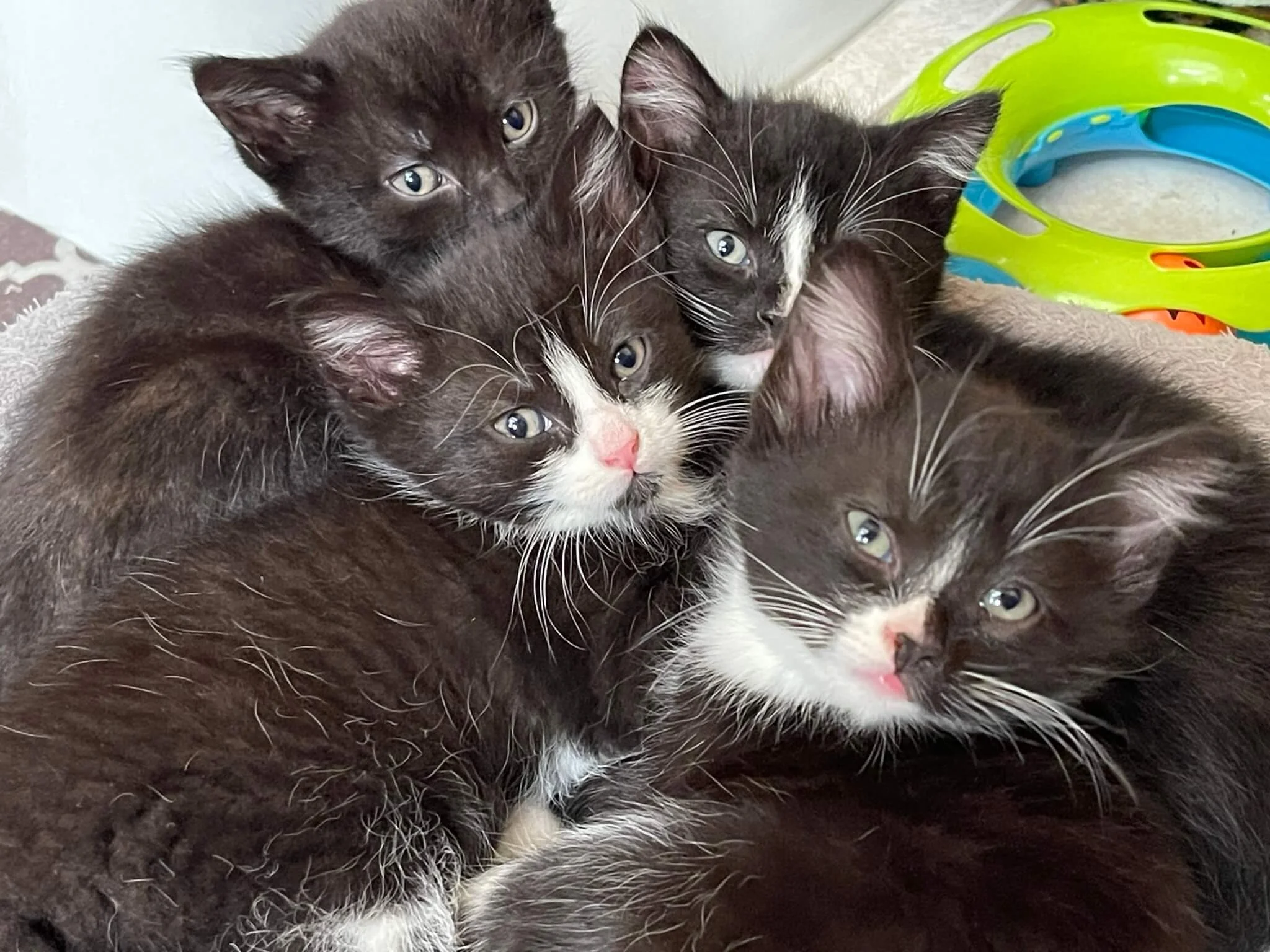
FMCA foster homes care for adult cats, pregnant cats, mothers with newborns, and orphaned kittens under eight weeks old.
Some foster families choose to specialize in a specific type of animal, such as neonatal kittens, while others welcome any cat or kitten in need.
Whatever your situation, there is likely a foster match that works for you.
-
You will never foster alone. Every foster family works closely with a foster coordinator who provides guidance and support throughout the entire process. All veterinary expenses are covered by FMCA, though vet visits and services must be approved in advance by your coordinator. Each cat that enters our program is a unique case. Some have already received preliminary veterinary care and may only need follow-up treatment, which can often be managed by the foster or foster coordinator. Other cats may still need their full vetting completed, in which case a separate space to safely isolate them from resident pets in the foster home would be necessary.
Foster families are also asked to bring their animals to adoption events, as FMCA does not operate a physical shelter. This is an important part of helping animals find their permanent homes.
-
Beyond saving lives, fostering gives animals something shelters often cannot: time, stability, and the experience of living in a home. This makes them more confident, more socialized, and better prepared for the transition to a permanent family. Every foster placement creates space for another vulnerable animal to enter our program.
Ready to Foster?
If you are interested in becoming a foster family, the first step is completing a foster application. A member of our team will follow up with you to discuss availability and find the right match.
FMCA is an all-volunteer organization. Most of our volunteers work full-time, so please allow a few days for a response. We appreciate your patience.